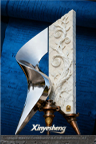
A menneskeskulptur av bronse bærer vekt som et fotografi eller en plakett ikke kan. Fordi bronse er støpt fra en håndskulpturert modell i stedet for trykt, blir hvert ansiktsplan, hver fold av klær og hver gest formet av en kunstner før den noen gang helles, og det er grunnen til at familier som velger et minnestykke ofte beskriver resultatet som en følelse mer som et nærvær enn et objekt. Dette er hovedgrunnen til at bronseportrettstatuer fortsatt er en foretrukket måte å minnes en forelder, ektefelle eller barn på: materialet i seg selv kommuniserer varighet, og varighet er akkurat det sorg leter etter når ordene føles utilstrekkelige.
Bronse har blitt brukt til portrettskulptur i tusenvis av år, og en del av dens varige appell er hvordan metallet eldes. I motsetning til en nystøpt overflate, utvikler bronse en naturlig patina over tid, et mykt skifte i farge og tone forårsaket av gradvis oksidasjon, som gir et utendørs minnesmerke en stille, forvitret karakter i stedet for et utseende av forfall. Familier finner ofte trøst i denne langsomme transformasjonen, siden den gjenspeiler måten minnet i seg selv mykner og blir dypere med tiden i stedet for å forsvinne.
Det er også en praktisk dimensjon ved dette valget som familier ofte oppdager først i ettertid. En bronseskulptur blir et fast punkt for sorgen å vende tilbake til, et sted hvor det å besøke, snakke høyt eller bare sitte i nærheten føles naturlig på en måte som en liten urne eller et innrammet fotografi sjelden gir. For mange familier ender skulpturen opp med å tjene en funksjon utenfor minnet alene, og blir et samlingspunkt for jubileer, høytider og rolige besøk over mange år.
Ikke alle minneskulpturer har samme form. Valget av stil gjenspeiler vanligvis hvordan familien ønsker å huske personen, enten som en realistisk tilstedeværelse, en symbolsk gest, eller en stille ledsagerfigur plassert i en hage eller kirkegårdstomt.
| Skulpturtype | Felles innstilling | Følelsesmessig fokus |
| Helkroppsportrettstatue | Kirkegårdstomt, familieeiendom | Naturtro tilstedeværelse og holdning |
| Byste eller hodestøping | Innendørs minnesmerke, mantel, studie | Ansiktsliknelse og uttrykk |
| Engel eller vergefigur | Kirkegård, minnehage | Beskyttelse og åndelig trøst |
| Sittende eller tilbakelent figur | Hagebenk, reflekterende plass | Stille vennskap og hvile |
En helkroppsstatue er det mest bokstavelige valget, ofte modellert fra et favorittfotografi som viser personens typiske holdning eller en meningsfull aktivitet, for eksempel lesing, hagearbeid eller å holde et barnebarn. En byste derimot konsentrerer alle de emosjonelle detaljene i ansiktet, og det er grunnen til at familier som husker noen først og fremst gjennom uttrykk og øyne ofte velger dette formatet fremfor en helfigur.
Forskjellen mellom en generisk minnefigur og en som virkelig representerer en spesifikk person kommer ned til små, bevisste detaljer. Skulptører som spesialiserer seg på minnesportretter ber vanligvis familier om å gi referansemateriale som går utover et enkelt bilde, siden det å fange en ekte likhet krever mer enn ansiktsproporsjoner alene.
Familier som jobber tett med skulptøren under denne referanse-innsamlingsfasen rapporterer nesten alltid om en sterkere følelsesmessig tilknytning til det ferdige verket, siden statuen ender opp med å reflektere minner som bare familien ville gjenkjenne, snarere enn en generisk likhet noen kunne ha bestilt.
Å sette i gang en minneskulptur av bronse er en prosess i flere trinn, og forståelsen av hver fase hjelper familier med å sette realistiske forventninger til både tidslinje og kostnad.
Skulptøren bygger først en leire- eller plastelinamodell basert på fotografiene og detaljene som er gitt. Denne modellen deles med familien for godkjenning før støpeprosessen starter, siden justeringer av proporsjoner, positur eller uttrykk er langt lettere å lage i leire enn etter at stykket er støpt i metall.
Når modellen er godkjent, tas en form fra leireoriginalen og brukes til å lage en voksreplika, som deretter innkapsles i et varmebestandig skall i en prosess kjent som tapt voksstøping. Smeltet bronse helles inn i skallet, og når det er avkjølt, fjernes skallet for å avsløre den grovstøpte figuren.
Det siste stadiet er der likheten virkelig kommer frem, ettersom skulptøren sveiser sammen eventuelle separat støpte seksjoner, og deretter jager overflaten for hånd for å foredle ansiktstrekk, stofffolder og håndposisjoner og fjerne støpesømmer. En kjemisk patina påføres deretter og kontrolleres med varme for å oppnå ønsket tone, fra varme brune til dype grønne eller nesten svarte finisher, som matcher familiens preferanser.
Avhengig av størrelsen og kompleksiteten til stykket, kan hele denne prosessen ta alt fra to måneder for en byste til over seks måneder for en detaljert helkroppsstatue, så familier som planlegger et minnesmerke for en bestemt dato, for eksempel et jubileum eller en gravferdsseremoni, bør starte oppdraget i god tid.
Plassering påvirker både den emosjonelle opplevelsen av å besøke skulpturen og de praktiske valgene rundt størrelse, patinatone og beskyttende finish. En statue ment for en privat hage kan være mindre og mer intim, mens et kirkegårdsmonument ofte må dimensjoneres for å forbli visuelt proporsjonalt på avstand og holdbar nok til å tåle flere tiår med utendørs eksponering, et område hvor bronse naturlig utmerker seg takket være motstanden mot sprekker og forvitring.
Noen familier velger å plassere et mindre ledsagerstykke hjemme i tillegg til et kirkegårdsmonument, noe som gir dem et daglig tilknytningspunkt atskilt fra det mer formelle, sjeldnere besøkte hvilestedet.
Fordi en minneskulptur er et engangsoppdrag, betyr det like mye å velge riktig billedhugger og støperi som å velge riktig stil. Portrettmodellering er en distinkt ferdighet fra dekorativt eller abstrakt metallarbeid, og en skulptør uten spesifikk erfaring i likhetsmodellering kan produsere en teknisk kompetent statue som fortsatt ikke ligner på personen som blir hedret.
Familier som vurderer en skulptør eller studio bør be om å få se en portefølje spesifikt med minne- eller portrettoppdrag, i stedet for generelt figurativt arbeid, og bør følge nøye med på hvor mye disse stykkene ligner referansefotografiene som vanligvis leveres for slike prosjekter. Et studio som er villig til å dele fremdriftsbilder av leiremodellen, og er åpent for revisjoner før castingen begynner, gir vanligvis et resultat familien er mer fornøyd med, siden det lar bekymringer om likheten tas opp mens endringer fortsatt er enkle å gjøre.
Det er også verdt å spørre om støperiets erfaring med patinaarbeid, siden det å oppnå en rik, jevn tone over en stor figur krever betydelig dyktighet og kan variere merkbart mellom studioene. Et støperi med erfaring med fine ansiktsdetaljer vil også vite hvordan man kan jage den støpte overflaten forsiktig rundt øynene, hendene og hårfestet, områdene der en forhastet finish er mest merkbar.
Bronse er holdbar, men utendørs minnesmerker drar fortsatt nytte av periodisk pleie for å bevare både patinaen og de fine detaljene som er støpt inn i ansiktet og hendene, som vanligvis er de mest delikate områdene av stykket.
Med dette omsorgsnivået kan et godt støpt bronseminnesmerke forbli visuelt intakt i godt over et århundre, noe som er en del av hvorfor familier ser på kommisjonen ikke bare som en hyllest til én generasjon, men som noe fremtidige generasjoner også vil kunne besøke og anerkjenne.
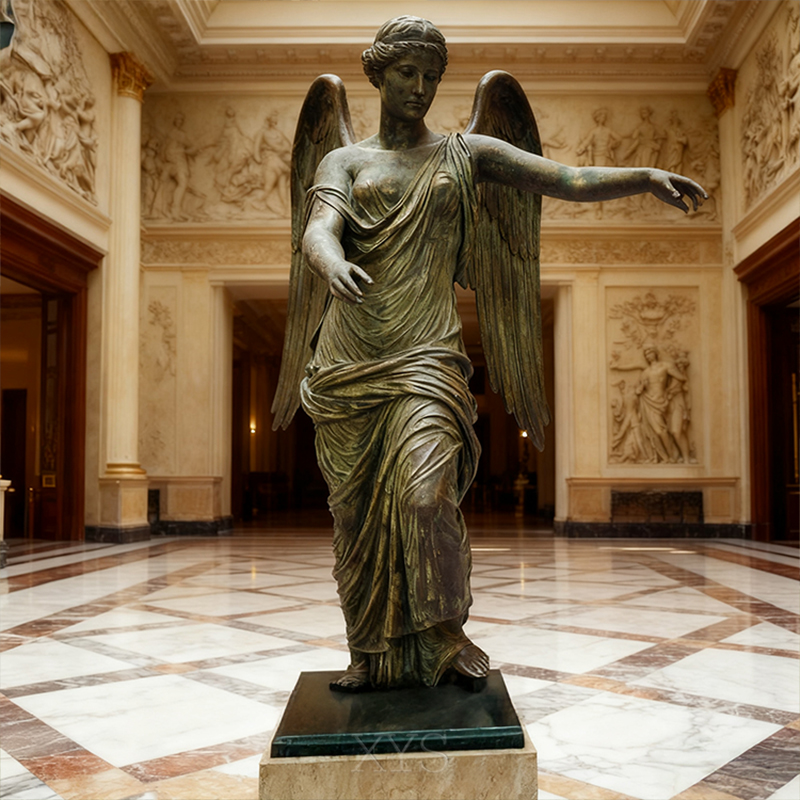 Bronse innendørs vinget Nike-gudinneskulptur
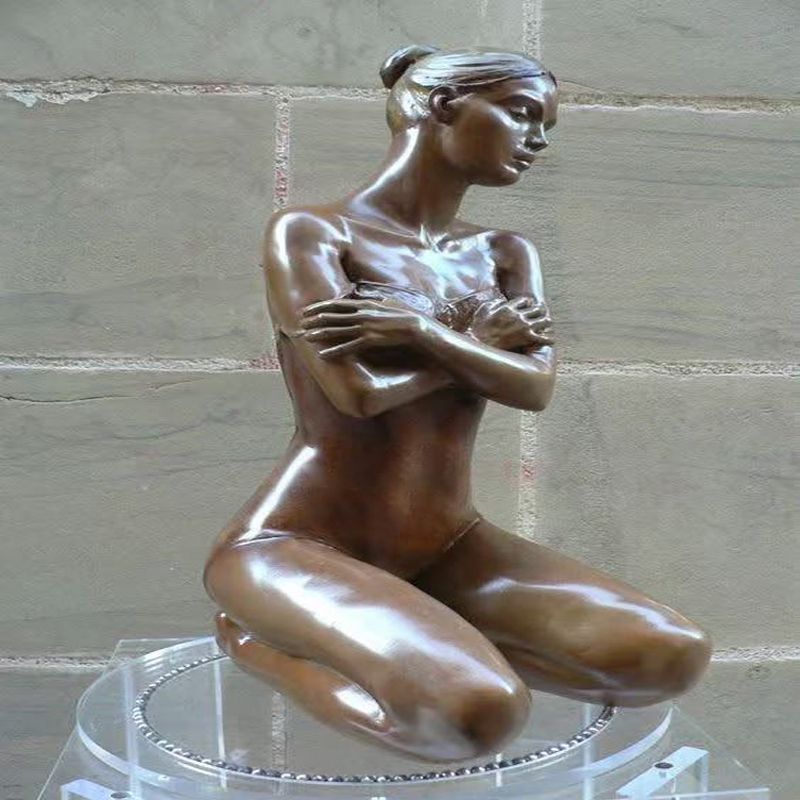 Bronse kvinnelig nakenskulptur – hagedekorasjon
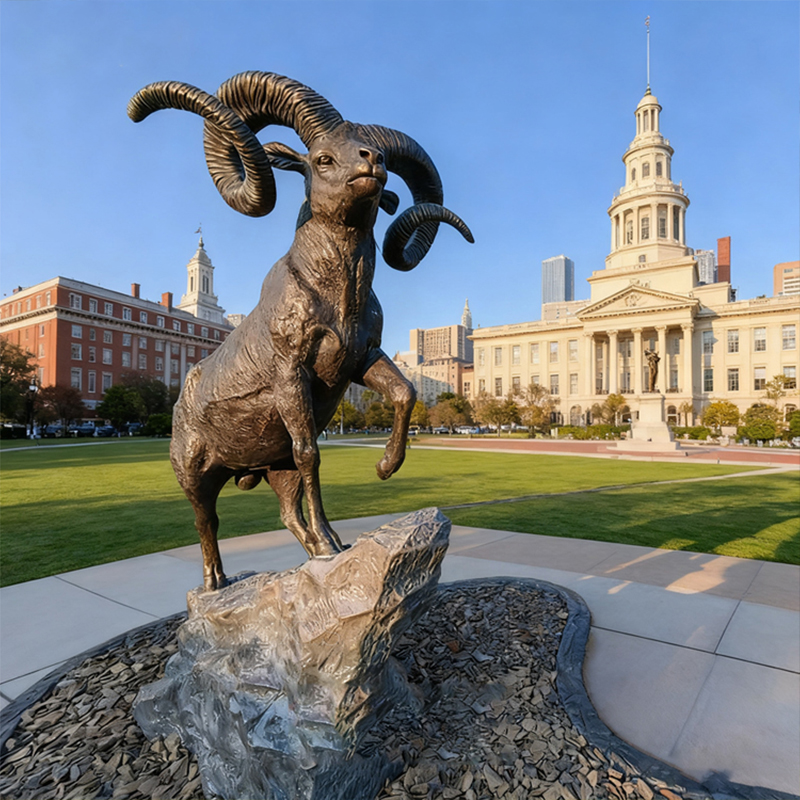 Bronse Big Horn Ram Sculpture – Utendørs hagedekorasjon
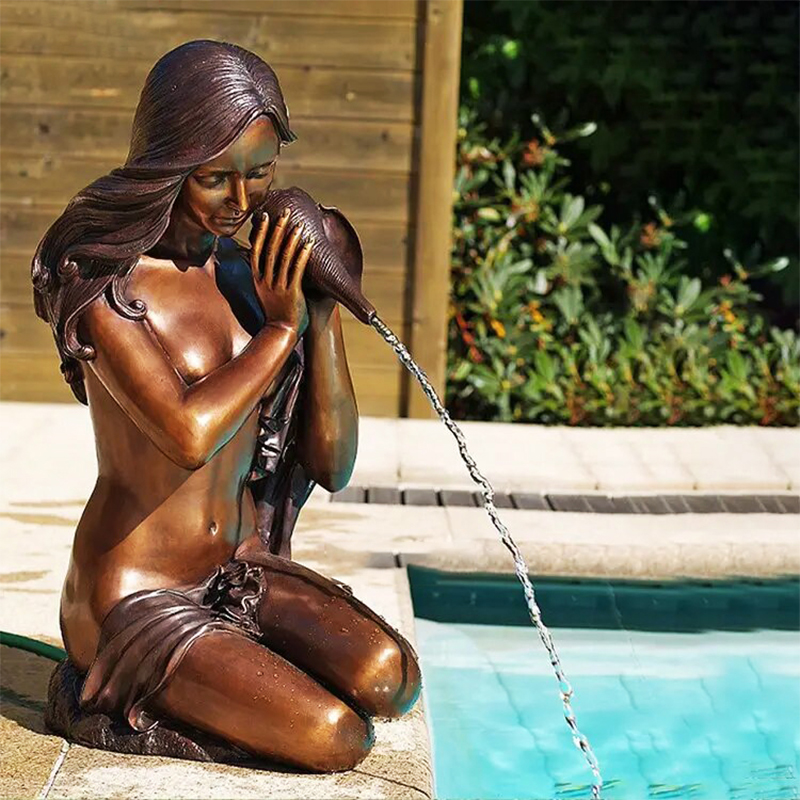 Bronse naken kvinnelig fonteneskulptur
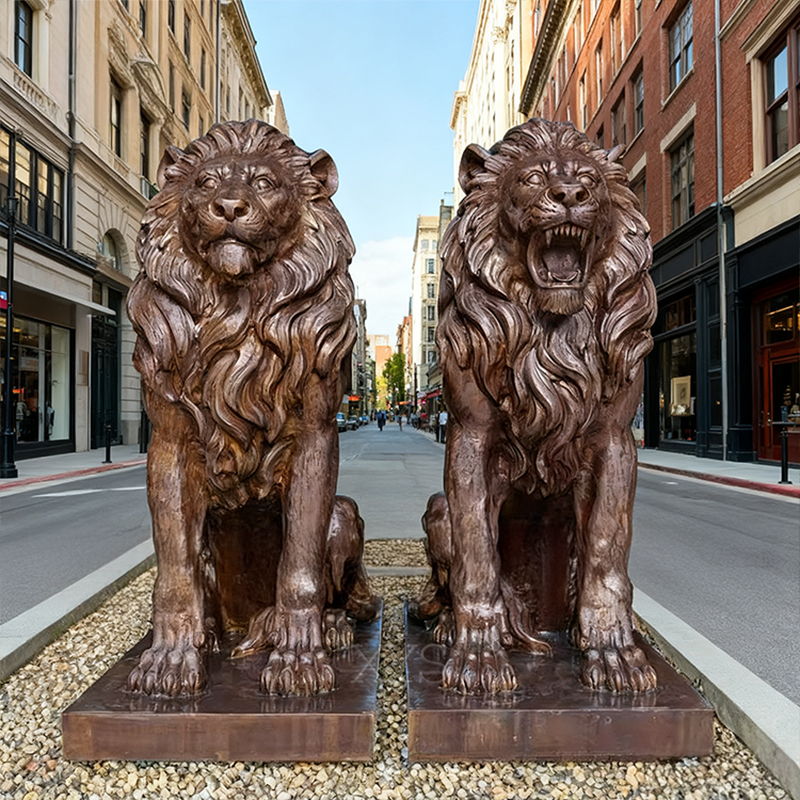 Bronse Sitting Lion Sculpture – Klassisk hagedekorasjon
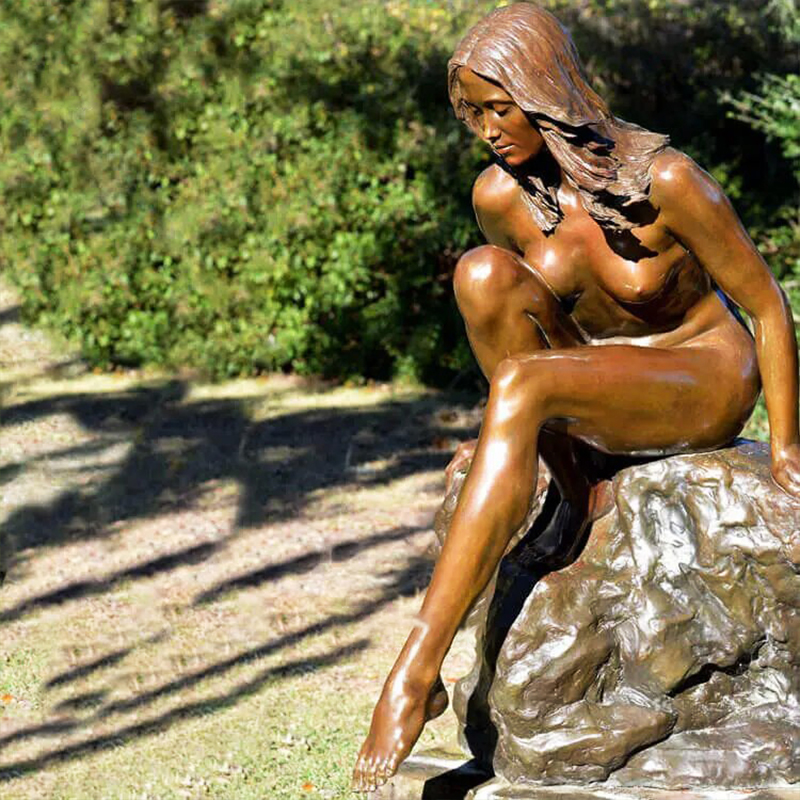 Naturlig størrelse utendørs hage Bronse naken kvinneskulptur – sensuell design



Daniel H.
Amanda R.

Robert B.

Jennifer S.
James W.

Barry G.

Michael T.

Emily K.

David L.

Sarah M.


Mikey XV

Jagxue
